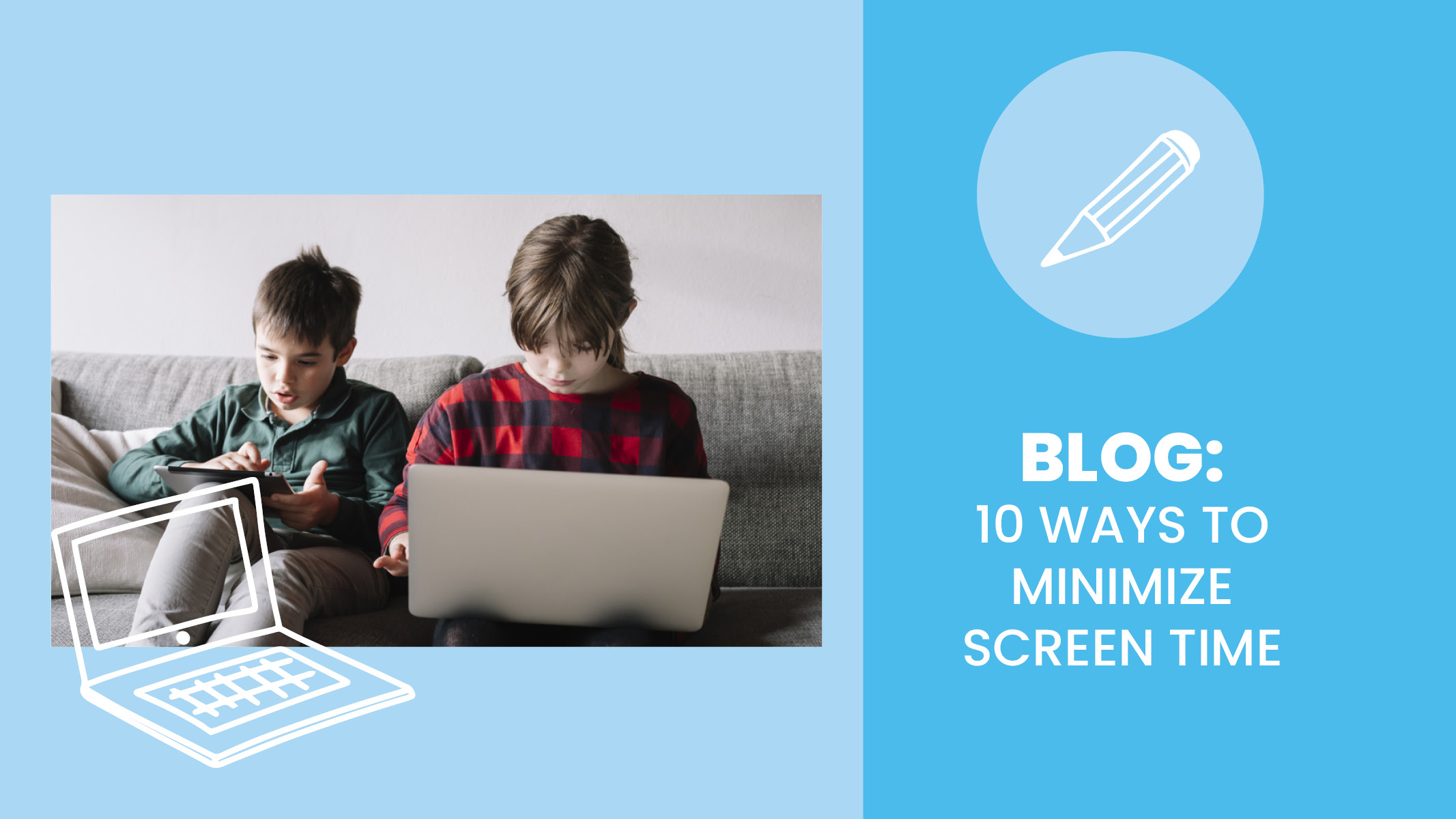
How much time do you think your kids spend in front of a screen each day? For many families, the number is higher than expected. And while it can feel overwhelming, the good news is that creating healthier screen habits is completely possible and it does not have to happen overnight.
Screens are part of everyday life but helping kids build a balanced relationship with them is key. Before you start making changes, it helps to know what healthy screen use looks like. Here are the latest screen‑time guidelines from the American Academy of Child & Adolescent Psychiatry:
Screen‑Time Guidelines
- Under 18 months: Limit screen use to video chatting with an adult (like a parent who’s away).
- 18-24 months: Keep screen time limited to educational programming watched together with a caregiver.
- Ages 2-5: Aim for about 1 hour of non‑educational screen time on weekdays and up to 3 hours on weekend days.
- Ages 6 and older: Encourage healthy habits and set limits on screen‑based activities.
- All ages:
- Turn off screens during family meals and outings.
- Use parental controls when needed.
- Avoid using screens as pacifiers or to stop tantrums.
- Turn off screens and keep them out of bedrooms 30-60 minutes before bedtime.
These guidelines are meant to support families, not add pressure. Every child and every household is different. What matters most is helping your child develop a healthy, balanced relationship with screens over time.
So where do you start? Here are simple, realistic steps that can make a big difference.
Start Small for Long ‑Term Success
If your child reaches for a device the moment they get home, try reducing screen time gradually. Cutting back by even one hour a week is a great first step. Small changes are easier to stick with and lead to long‑term habits.
Create a Screen‑Free Sleep Zone
Screens in the bedroom can interfere with sleep, which affects mood, energy, and focus. Keep devices out of bedrooms and charge them in a central spot. This makes it easier to monitor usage and helps kids wind down at night. To make bedtime even smoother, try using our Sleep Zones printable. It is a simple tool that helps kids understand what belongs in a calming sleep space, and what does not.
Make a Screen‑Time Schedule
Once you have set limits, involve your child in planning how they will use their screen time each week. This gives them ownership and helps reduce arguments. A helpful rule for everyone: avoid screens during meals and within an hour of bedtime.
Model Healthy Screen Habits
Kids learn by watching you. If you are scrolling often, they will want to do the same. Try setting app limits on your own phone or swapping screen time for reading or another hobby. When kids see you practicing balance, they are more likely to follow your lead.
Offer Fun Alternatives
When it is time to turn off a device, offer something even more engaging. You might say, “Tablet time is over, but let’s play a card game!” Activities like reading, puzzles, board games, outdoor play, or time with friends can keep kids entertained without screens. Another great option is creating a Take a Break: Screen‑Free Activity Basket. Fill it with quiet, screen‑free choices and let kids pick what they want to do. Giving them the power to choose helps them feel more in control and makes screen‑free time something they can look forward to.
Stay Consistent
Cutting back on screen time may lead to pushback at first. Stay calm and remind your child why these limits matter. Over time, you will notice benefits like better sleep, less eye strain, and improved emotional well‑being.
Encourage Physical Activity
Screens can be tempting, but movement is essential for kids’ health. Plan regular times to be active – go for a walk, ride bikes, try a new sport, or explore a local park together. Kids are more likely to stay active when it is part of your family routine. If you are looking for fresh ideas, check out 5 Fun Ways to Incorporate Physical Activity. It is full of simple tips and creative ways to get the whole family moving every day.
Support Social Activities
Kids thrive when they have chances to connect, laugh, and build friendships face‑to‑face. Creating moments for real‑world connection helps them practice communication skills, grow their confidence, and enjoy meaningful interactions away from screens.
For inspiration, check out Screen‑Free Socializing for Kids: Fun Ways to Connect! It is full of creative ideas that help kids build friendships, strengthen communication skills, and enjoy quality time with others.
Make It a Family Effort
You will get more buy‑in when everyone helps create the plan. As a family, decide on screen‑time guidelines for your home. Here are a few ideas to get you started:
- No screens during meals.
- Homework and chores come before screen time.
- Turn off screens one hour before bed.
- Keep bedrooms screen‑free.
- Practice mindfulness when using devices – focus on one thing at a time.
Encourage Mindful Device Use
Mindfulness helps kids stay aware of how screens fit into their day. Many children and teens believe they can multitask easily, but switching between apps, messages, and videos can make it harder to stay focused. Encourage your child to pause and notice how they feel when they use their devices. Were they truly paying attention? Did multitasking help them finish homework faster, or slow them down?
Simple reflections like these help kids understand their habits, stay present, and build a healthier, more intentional relationship with screens.
Setting limits will not always be easy, but involving your kids in the process helps them feel empowered. When children learn early how to balance screen time with other activities, they build skills that support their health and well‑being for years to come.
For more quick handy tips on ways to minimize screen time, check out this Cheat Sheet for Caregivers on Handling Screen Time at Home.
Ready for More? You Might Also Like:
Making Unplugging Easy
Helping Your Kids Find the Joy in Being Active
Tips for Handling Screen Time with Kids